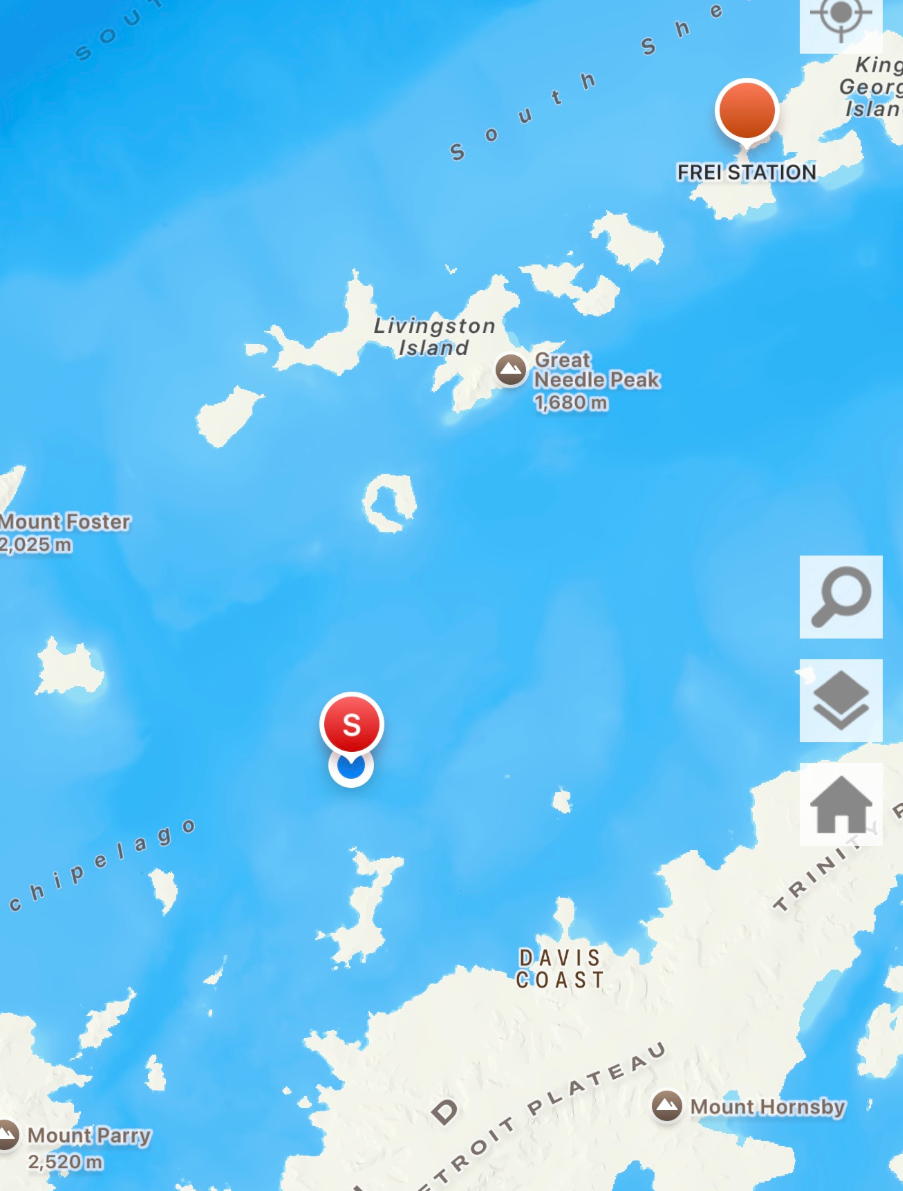
We arrived in Antarctica in the dark. After touching down on King George Island, we piled into small buses for a few-hundred-meter rattle down to the shoreline, strapped into life jackets for the very first time, and motored out across black water in Zodiacs to meet our ship. By the time we finished safety briefings and introductions in the lounge, it was midnight. Sleep felt nearly impossible, partly from adrenaline, and partly because, down here, the dark never really commits. By 5:00 a.m., the light had already reclaimed the sky, and I was wide awake, wandering the outer and inner decks before finding Kjerstin in the library for an “Can you believe this?!” Moment and an early coffee as the rest of the vessel slowly stirred.
Because of how our travel schedule adapted to the weather, the expedition team reminded us we had gained something rare: extra time at the bottom of the world. This first full day on board has already taken on a name of its own: the Bonus Day.
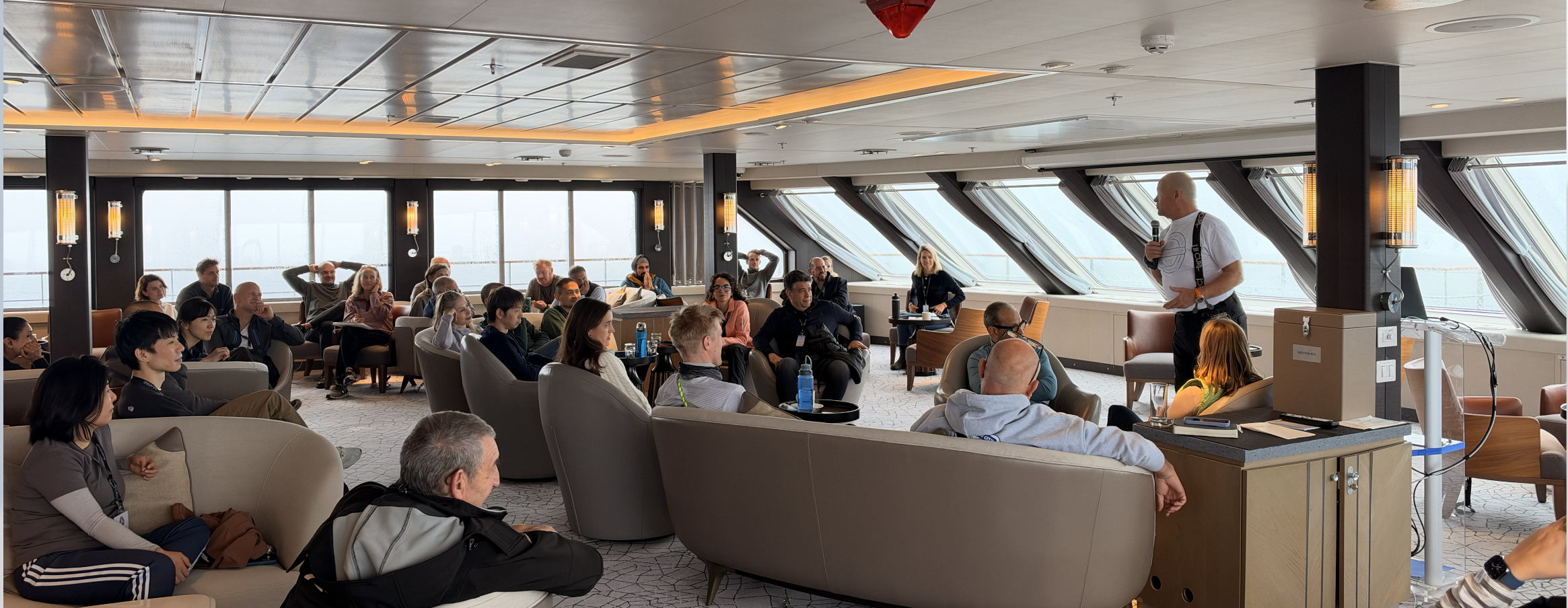
The morning was spent getting everyone familiar with each other, formal introductions, and meeting the crew.
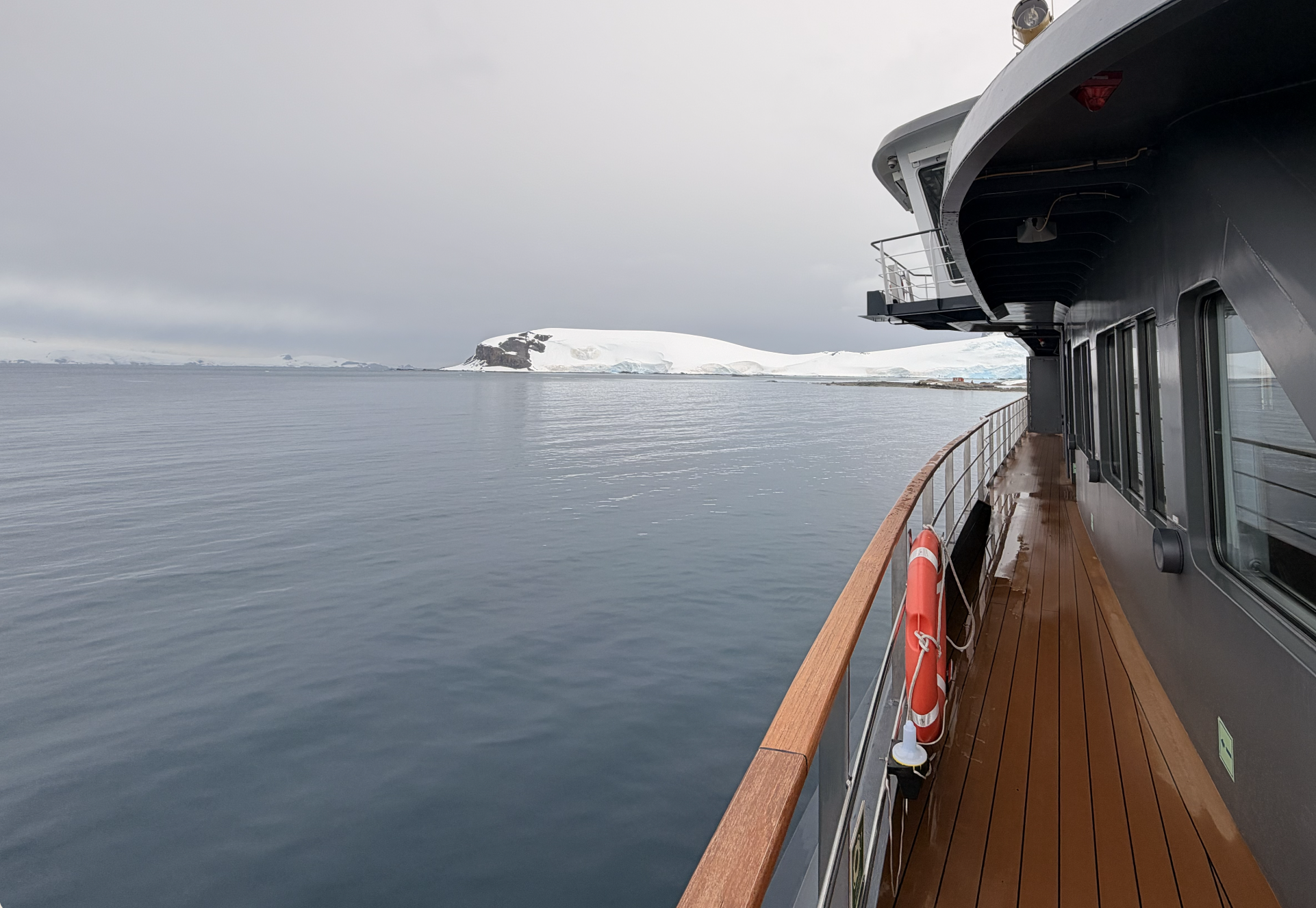
And as it turned out, a bonus day is the ultimate metaphor for the entire reason we are here. This expedition has been branded “Get Out of Your Tent” a literal nod to polar exploration, yes, but more importantly, a challenge to unzip whatever safe, predictable shelter we have built for ourselves and step out into the cold. The physical act of getting out of a tent in a harsh environment requires friction. You have to wrestle with stiff zippers, pull on cold boots, and brace yourself before your face even hits the wind. Crossing a wide channel and threading through islands toward the mainland under mild, overcast skies gave me a sudden, vivid taste of that exact friction.
Before stepping into the Zodiacs, the mudroom became a chaotic theater of adult vulnerability. Gearing up for the first time is a quiet test of ego. Which pocket holds what? Which thermal layer goes under which shell? How do you cinch your backpack over a bulky life vest without feeling like an overstuffed penguin yourself? As adults, we spend decades curating environments where we already know the rules. We rarely volunteer to be beginners. Standing there, second-guessing every zipper and strap, my brain was spinning with that familiar, uncomfortable static: Am I doing this right? Is this the best way?
Yet, the magic wasn't in getting the gear perfect - it was in the collective grace of the room. Fellow passengers traded tips, checked each other’s buckles, and laughed through the awkwardness. That is how we help each other get out of the tent. We don't do it by pretending the cold isn't there, or by acting like experts. We do it by standing beside someone while they fumble with the zipper, offering steady encouragement until they’re ready to step outside. Once we hit the shore and walked a quiet trail past gentoo penguins, a lone Adélie, and sprawling seals, the awkwardness dissolved into pure awe.
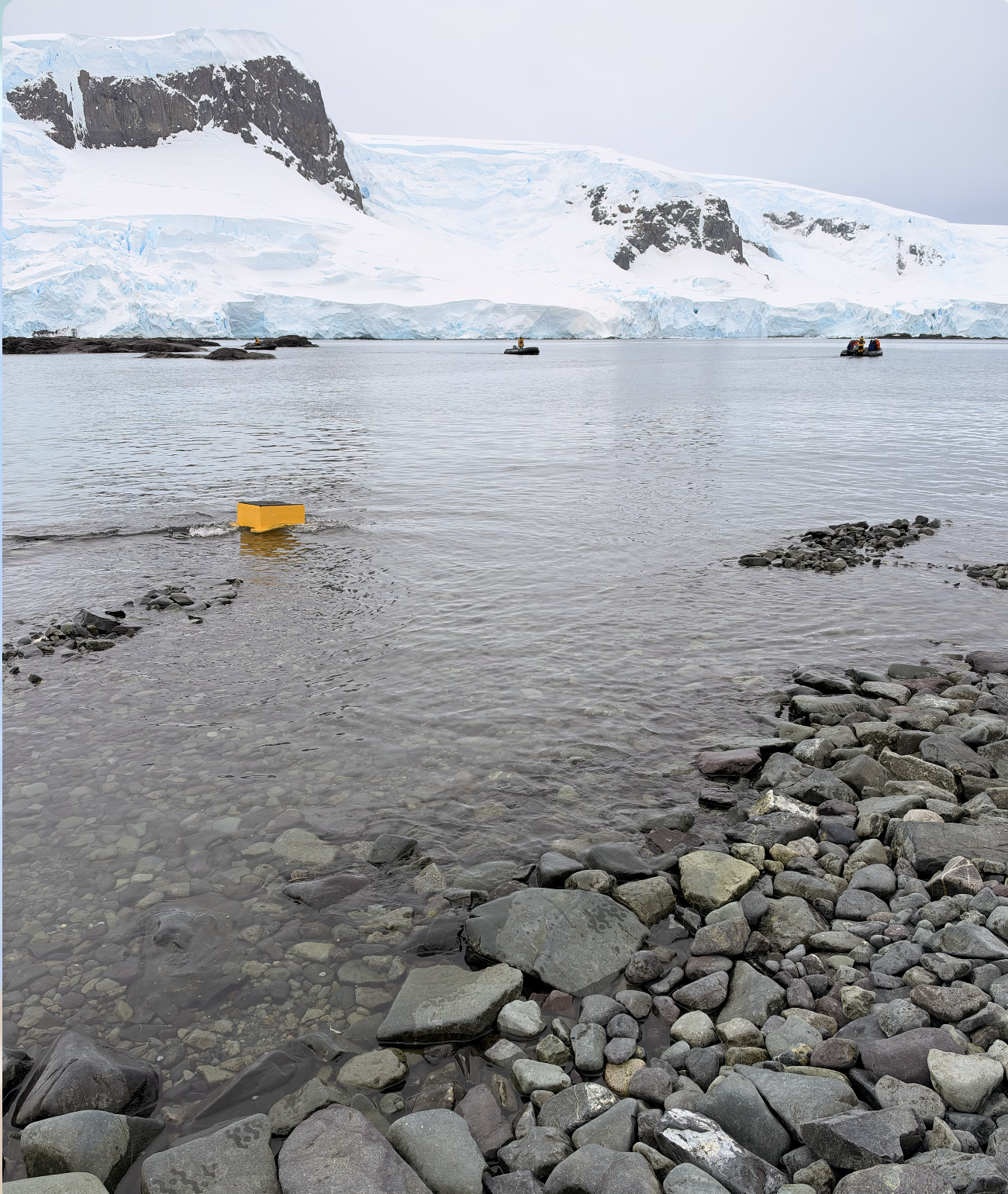
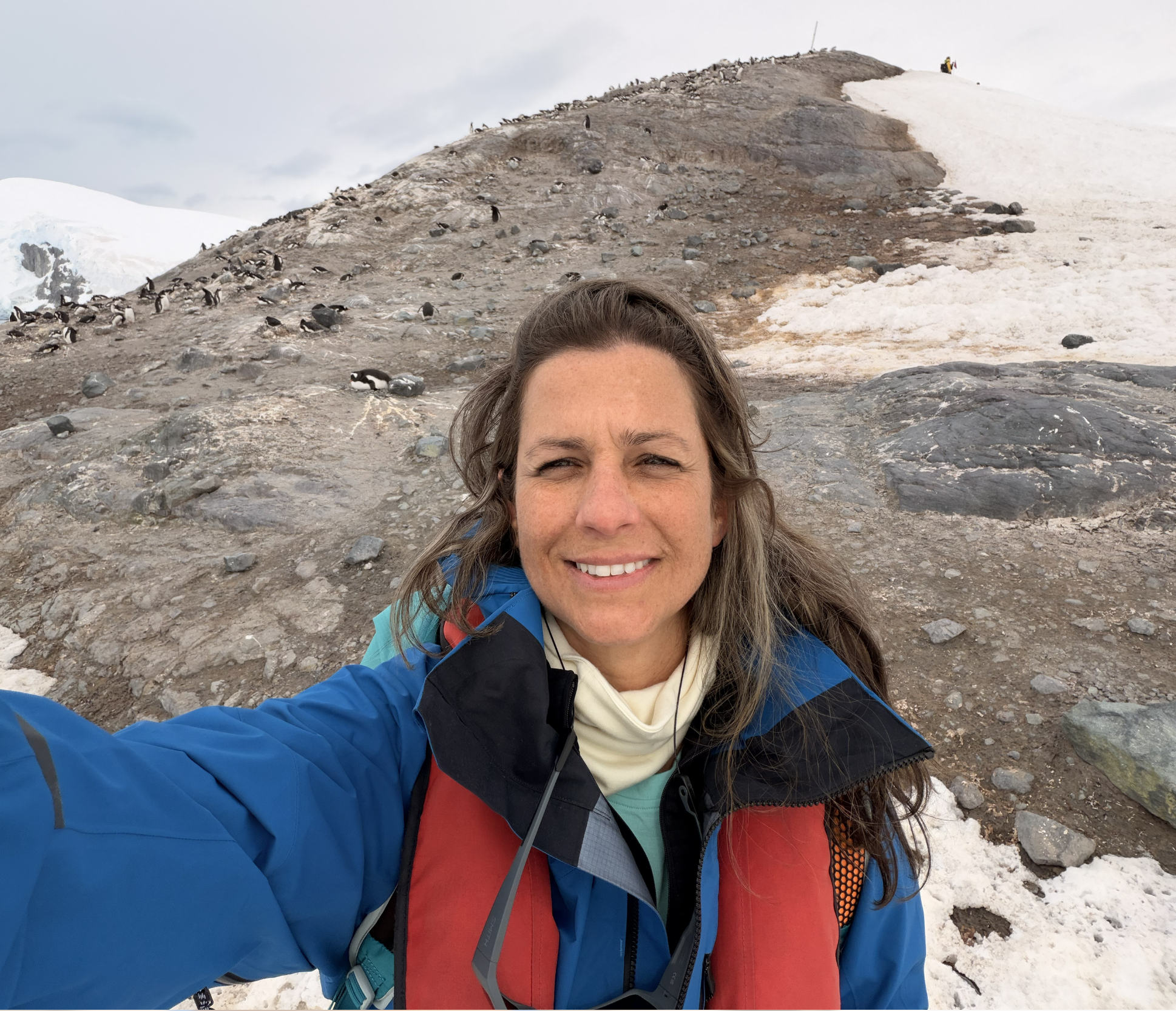
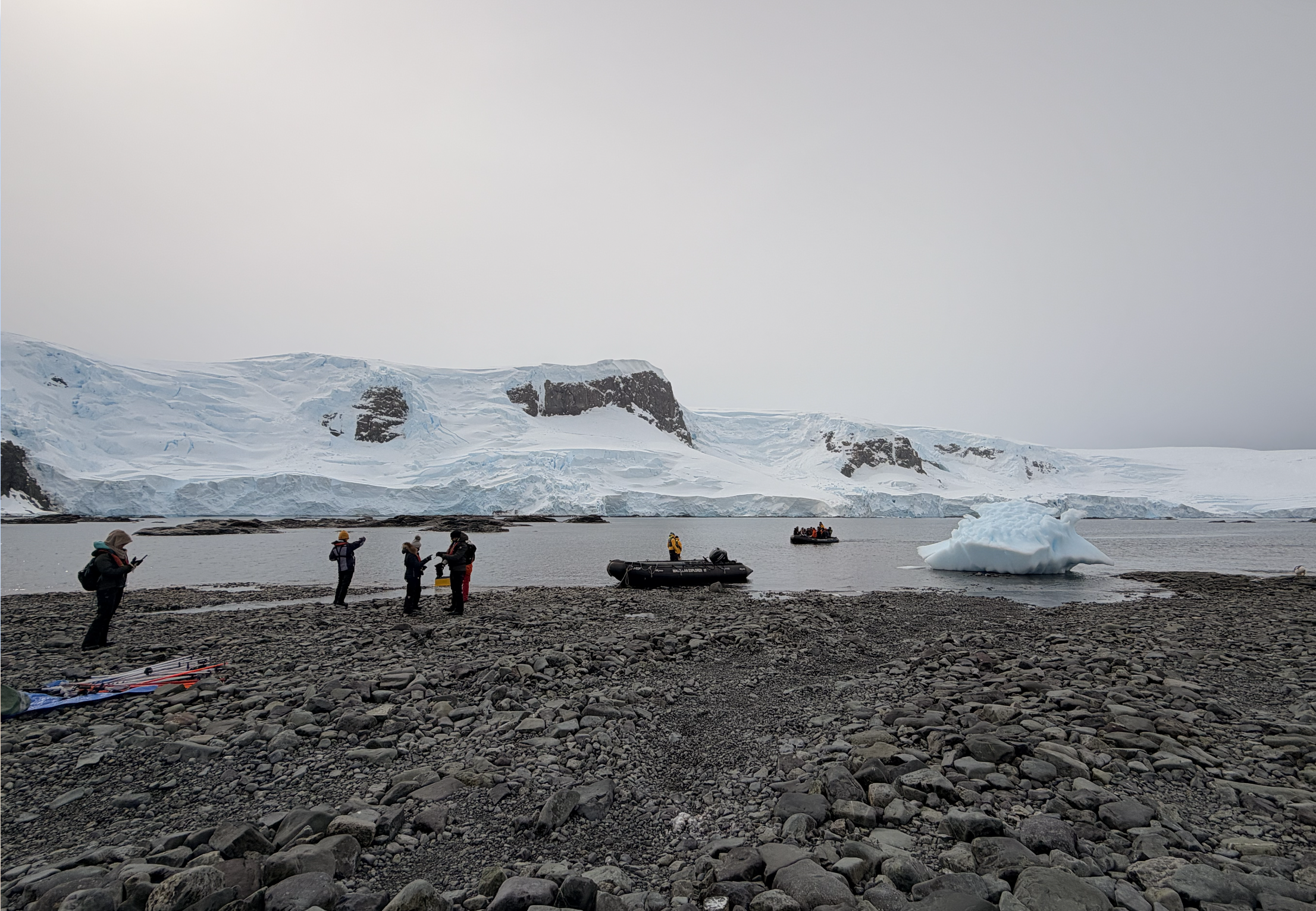
Along that trail, we spent quiet moments watching the gentoo penguins in the middle of their spring nesting season, and learning about their behavior added an unexpected layer to the day. At this time of year, survival and future generations depend on a remarkably patient ritual: collecting pebbles, one single stone at a time, to build elevated nests that keep their eggs safe from the melting snow and freezing runoff. As you’ll see in the videos from our landing, there is nothing rushed or glamorous about the process … just steady, purposeful trips back and forth, each penguin choosing a stone, waddling into place, and laying it down. Watching them made me realise that stepping out of our own tents doesn't always look like a dramatic leap into the unknown. Often, it looks just like that: building something meaningful in a harsh environment, one deliberate, unglamorous pebble at a time.
Back on the ship, that sense of shared purpose only deepened. We met the captain and every single crew member, turning passing strangers into familiar faces. We listened to Benjamin Horton unpack urgent climate science and heard Barney Swan share his work on the front lines of sustainability. Somewhere between filming content for home and getting prepared for a live zoom call from a moving ship to classrooms around the world on November 30th, I realised that stepping out of your comfort zone isn't always a solo stunt, it can also be an act of service. When we push past our own hesitation, we create a ripple effect that invites others, especially young people watching, to believe they can do hard things, too.
Over dinner that evening, Robert Swan and I had enough time for a conversation that drifted past logistics and latitudes into the architecture of a meaningful life. We talked about dreams, vision, and the elusive pursuit of happiness. Sitting across from someone who has literally walked to both poles and inspired millions of people, I was reminded of how much this experience will mena to me for the rest of my life. How there will be a before Antarctica and after Antarctica fault line in my life story. Living a life you can feel proud of doesn’t require a grand expeditions, though it certainly helps to shake the dust off. It requires leading with integrity when nobody is watching. It requires saying yes to the bonus days, embracing the unexpected detours, and stepping up to the steep learning curves. It’s also about the perfect conversations you didn't plan for. That wobble gobble turkey diner with Robert (as it was American Thanksgiving), was a meaningful connection I will never forget.
We often wait for the weather to clear or the instructions to feel effortless before we make our move. We stay zipped inside what we know, mistaking comfort for safety. Whether you are staring at a frozen shoreline in Antarctica or a blank page at your kitchen table, that first step will always feel a little clumsy. Your gear might be crooked. You might not know where all the pockets are yet. Unzip the tent anyway. Step into the wind, lend a hand to the person next to you, and go see what’s waiting on the trail.
