A Sustainability Mindset in Every Layer
Preparing for my time in Antarctica as the Head of Environmental Sustainability, I couldn't simply hit "order all" on a polar kit list without interrogating every single choice. Preparing for this expedition meant bringing a sustainability mindset to every layer, balancing extreme safety requirements and weight restrictions, with the ethics of consumption.
Here is how I navigated the gear preparations
Borrowing First: The greenest product is always the one that already exists! Before looking at store shelves, I tapped into my network and borrowed heavy-duty cold-weather layers and specialised items from family in Canada. Giving pre-loved gear another journey to the ice was the easiest, most impactful choice.
Leaning into Local Expertise: For items I couldn't borrow, I spent time visiting local outdoor shops. Tapping into the knowledge of experienced sales staff allowed me to learn about fabric durability, technical specs, and longevity so I bought only what was strictly necessary rather than over-gearing.
Mindful Purchasing: When buying new was unavoidable, I researched brands that back up their claims. I chose to purchase through The Last Hunt, leveraging a platform that diverts off-season inventory from landfill while supporting B Corp certified brands that meet rigorous verified standards for social and environmental performance.
In polar environments, staying warm isn't just about wearing one massive coat; it’s about regulating your body temperature through a precise three-layer system. Wet is dangerous in sub-zero conditions, so if moisture traps against your skin and you stop moving, that dampness freezes, bringing on rapid hypothermia.
Here is the exact, item-by-item breakdown of what goes into a polar duffel, why each item matters, and how to wear it.
1. The Core 3-Layer System (Upper & Lower Body)
Layer 1: Base Layers (The Moisture Managers)
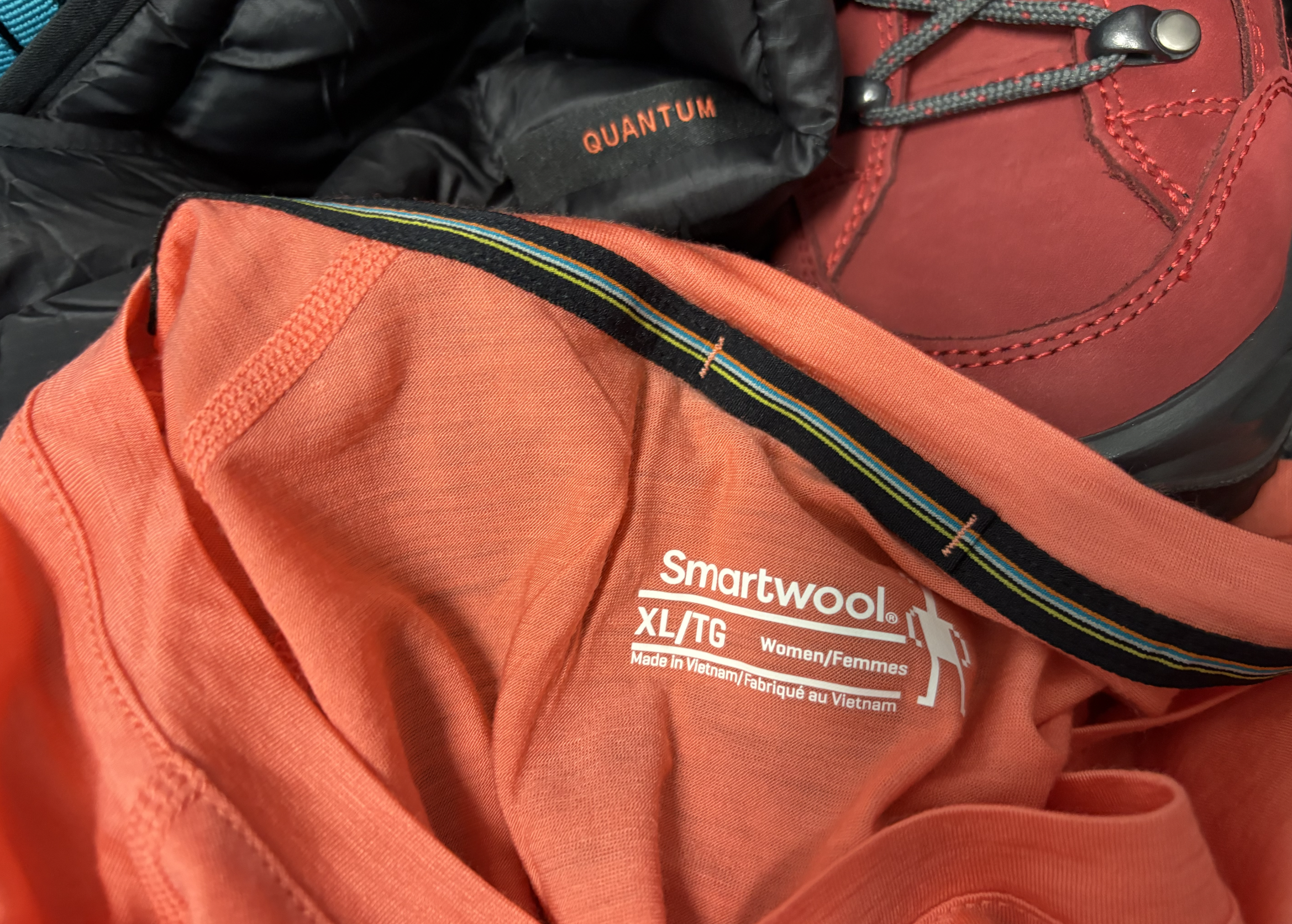
2–3 sets of high-density Merino Wool or synthetic base layer tops and bottoms (150–200g weight for active days, 250g+ weight for cold days/zodiac cruises).
Why? Merino wool naturally wicks moisture away from your skin, regulates temperature, is anti-bacterial, and remains odor-resistant for days.
Layer 2: Mid-Layers (The Heat Trappers)
1–2 technical fleece jackets or grid-fleece pullovers.
1 lightweight down or synthetic packable jacket ("sweatshirt" style down jacket).
1 pair of fleece pants or heavy-duty outdoor trekking pants.
Why? The mid-layer traps dead air warmed by your body heat. Having two variable options (a fleece and a light puffer) allows you to micro-adjust depending on whether you are hiking up a snowy peak or sitting still in a Zodiac boat.
Layer 3: Outer Shell (The Wind & Water Shield)
Waterproof/Windproof Hard-Shell Jacket: High-rated Gore-Tex or equivalent with a helmet-compatible hood.
Waterproof/Windproof Over-Pants: Gore-Tex ski or rain pants with zippered cuffs (must fit comfortably over base + mid-layers).
Why? Antarctic cold is amplified exponentially by wind, and Zodiac transfers involve salt spray and wet landings. Your outer layer MUST be 100% waterproof and windproof (water-resistant is not good enough).
2. Extremities: Hands, Feet, and Head
Your body automatically shunts blood away from your fingers, toes, and ears to protect your core organs when cold. Protecting your extremities is critical.
Hands: The Two-Layer System
Inner: 2 pairs of thin Merino wool or touchscreen-compatible synthetic glove liners (so you can take photos without exposing bare skin to sub-zero winds).
Outer: 1 pair of heavy-duty, waterproof/windproof ski mittens or lobster-claw gloves.
Pro-Tip: Mittens keep fingers together and are infinitely warmer than standard 5-finger gloves.
Feet: Keeping Toes Alive
Socks: 3–4 pairs of thick, high-calf Merino wool expedition socks + 2 pairs of thin liner socks.
Boots: High-calf waterproof muck boots with insulated linings (for this trip - these are provided by the boat)
Why? Every shore landing in Antarctica is a "wet landing." You will step off Zodiacs directly into knee-deep ocean water. High waterproof rubber boots with thick socks are non-negotiable.
Head, Neck & Face
Beanie/Toque: 2 wind-resistant wool or fleece beanies that cover your ears completely.
Neck Gaiters / Buffs: 2 Fleece or Merino wool neck gaiters. Scarves are dangerous around Zodiac ropes/engines and let cold air sneak in.
Optional: 1 full-face balaclava for high-wind Zodiac crossings.
3. Polar Eyewear & Skin Protection
The combination of low-ozone polar skies, direct sun, and 80%+ light reflection off ice/water can scorch skin and blind eyes in hours.
Category 3 or 4 UV Sunglasses: Wrap-around style with polarized lenses to block reflected radiation from snow and ocean.
Ski Goggles: Tinted or photochromic goggles. Essential when Zodiacs operate in high winds, freezing ocean spray, or active blizzards.
Zinc-Based Sunscreen (SPF 50+): Mineral zinc provides a physical barrier against extreme reflection.
SPF Lip Balm: Highly emollient, petroleum- or beeswax-based with SPF 30+. Apply constantly to prevent severe windburn and cracking.
Heavy-Duty Hand & Face Cream: Thick, water-free moisturizing cream (e.g., Lanolin or heavy repair salve) for night recovery.
4. Expedition Electronics
Extreme cold rapidly drains lithium-ion batteries.
Dry Bags: 1 heavy-duty 20L–30L waterproof roll-top dry bag to keep cameras, phones, and extra layers safe from Zodiac spray.
Power Banks: At least two 10,000–20,000 mAh portable chargers.
Pro-Tip: Keep phone and camera spare batteries inside your inner base-layer pockets close to your body heat until the moment you use them.
5. On-Board / Ship Gear
Life on the research vessel is surprisingly casual and warm once inside.
Comfortable, breathable indoor wear (t-shirts, trousers, sweaters).
1 pair of sturdy, non-slip sneakers or deck shoes.
Optional: Earplugs & Eye Mask - Ships creak, engines hum, and summer in Antarctica brings up to 24 hours of daylight.
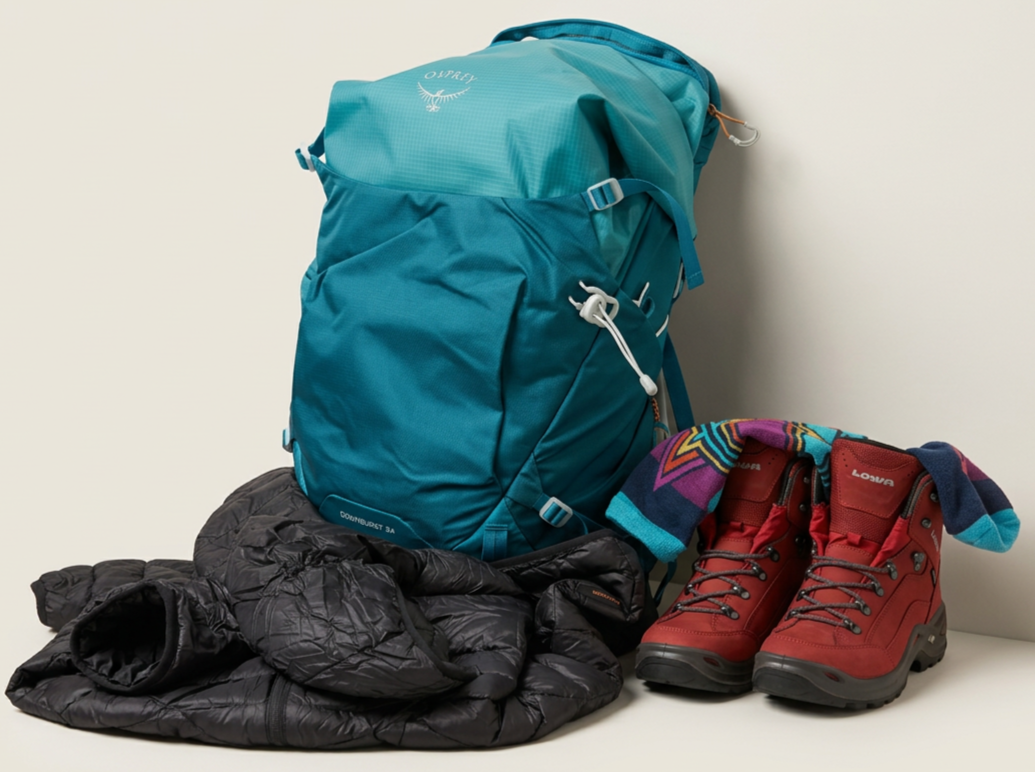
Important waterproof items: a day pack, deck shoes, mittens or gloves, plus an outer layer GorTex 3L jacket and pants.
About The Last Hunt
Our Story - Founded in Montreal in 2010, The Last Hunt is Canada’s only website uniquely dedicated to discounted outdoor clothing and equipment.
In other words, it's the best of both worlds: top-quality products at unbelievable prices.So how are we able to offer such a unique combo? First, sales are final. By sparing ourselves all the logistics behind a returns system, we can pass on substantial, extra savings to you. Secondly, the products that make it onto The Last Hunt are from past seasons. Otherwise, they wouldn't be marked down. These products come from surplus from our preferred suppliers. Availability is therefore updated regularly. You'll benefit from exclusive discounts on products you already know and love. All you need to do is know your size, and visit the site often, then you're in business!
Our Values:
Authenticity - Behind our website is real people, outdoor enthusiasts just like you, and it shows in everything we do.
Generosity - With our discounts, it may seem obvious - but generosity takes centre stage for us. We want to share our passion for the outdoors and functional design with everyone, which is why we're dedicated to offering you the lowest price on the market.
User-friendliness - We do everything we can to make your life easier. Our website and shopping experience have been designed to be as simple as possible. Our mission is to make quality products accessible, and that goes far beyond price.
Sustainability - For us, taking responsibility means doing the right thing for our planet and our future. By using recycled tape, offering electric delivery, and shredding and reusing our suppliers' cardboard for our shipments, we're contributing in our own way to a greener future. Our first-ever Impact Report is now available. Learn about our ongoing holistic journey towards responsible business, highlighting our environmental and social efforts and future endeavours.
