The Land of Ice
Antarctica is the coldest, windiest, highest, and driest continent on Earth. It is a wilderness so vast it holds 70% of the planet's freshwater, yet belongs to no single nation.
To understand why protecting Antarctica matters, we must first build wonder, curiosity, and connection. Explore the key facts, ecosystems, and global systems that make this frozen continent the heart of our planet's climate.
The Basics
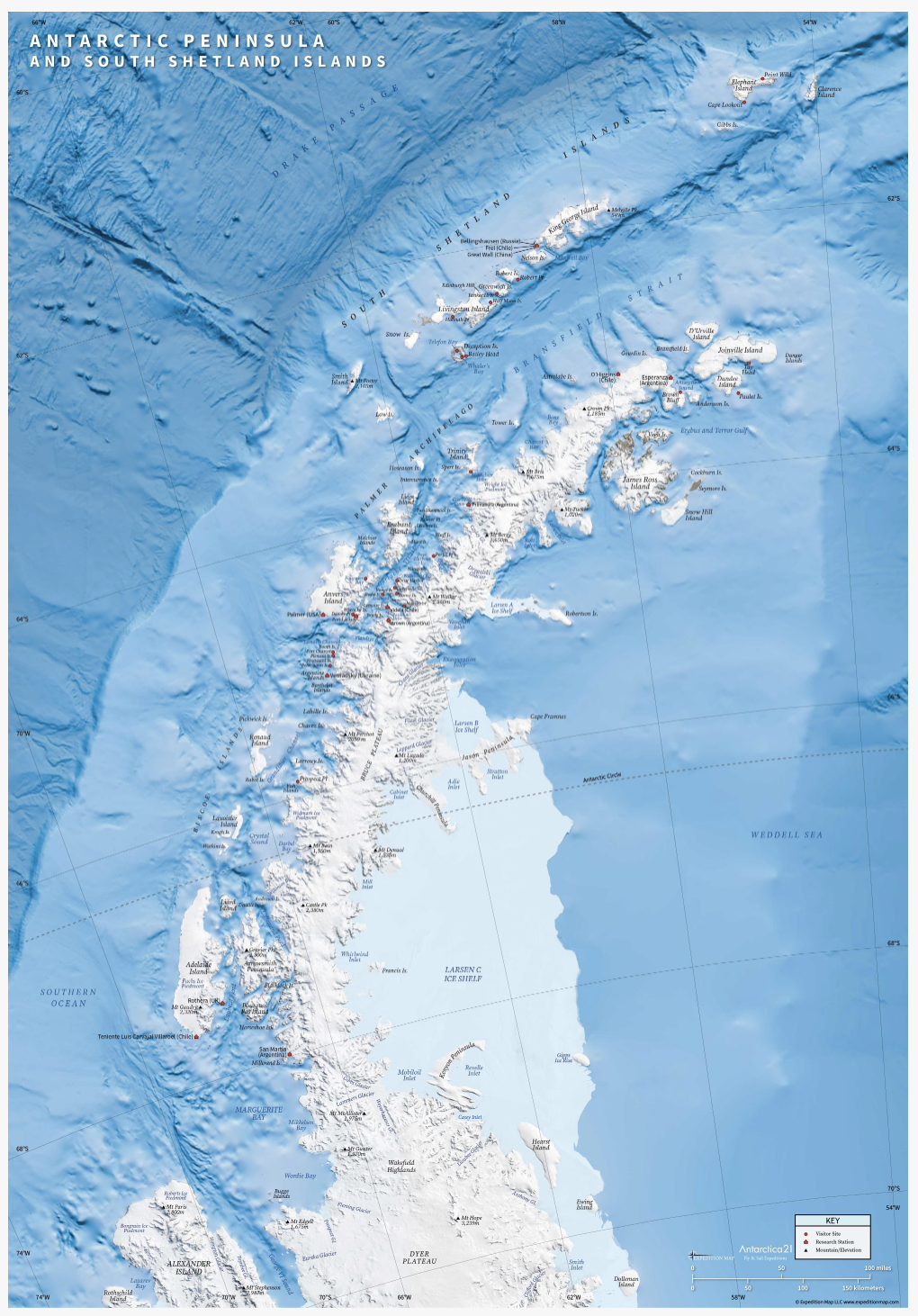
How cold is it really? Average winter temperatures inland drop below -60 degrees celcius, while coastal summer temperatures fluctuate around 0 degrees celcius
Is it actually a desert? Yes! Antarctica is classified as a polar desert because it receives less than 50 mm of precipitation per year in the interior.
How big is it? It is roughly 1.4 times larger than Europe or nearly twice the size of Australia.
Who lives there permanently? No humans are native to Antarctica. The human population ranges from roughly 1,000 in winter to 5,000 in summer, consisting entirely of scientists and research support staff across international stations.
What Lives There?
While the interior of the continent is nearly lifeless, the surrounding Southern Ocean is bustling with unique biodiversity.
Penguins: Home to species including the Emperor, Adélie, Gentoo, and Chinstrap penguins.
Marine Mammals: Leopard seals, Weddell seals, Humpback whales, Orcas, and Blue whales thrive in these nutrient-rich waters.
Krill (the key species) : Antarctic krill are small, shrimp-like crustaceans that form the foundation of the entire polar food web. Without krill, almost all Antarctic wildlife would collapse.
Who Owns Antarctica?
The Short Answer - Nobody owns Antarctica.
The Antarctic Treaty System (1959): Signed during the Cold War, this historic agreement set aside the entire continent as a demilitarized zone dedicated exclusively to peace and science.
The Environmental Protocol (1991 / 2041): Known as the Madrid Protocol, it bans all commercial mining and mineral extraction. The landmark year 2041 marks the critical milestone when this protection protocol comes up for renegotiation.